If you’re charting your cycle for family planning—whether hoping to conceive or seeking natural contraception—understanding the exact timing of ovulation is key. Ovulation, the moment an ovary releases a mature egg, occurs roughly once per menstrual cycle. Since the egg is viable for only 12 to 24 hours, and sperm can survive for up to five days, the “fertile window” is actually a short, powerful span of about six days leading up to and including ovulation day.
Missing this window means missing the opportunity for conception that month. Fortunately, your body is an excellent predictor. Driven by hormonal surges, it provides a consistent set of physical and emotional cues. Learning what are the early signs of ovulation allows you to move beyond generalized calendar predictions and truly pinpoint your peak fertility with accuracy and confidence. These subtle biological signals are your most reliable resource for fertility awareness.
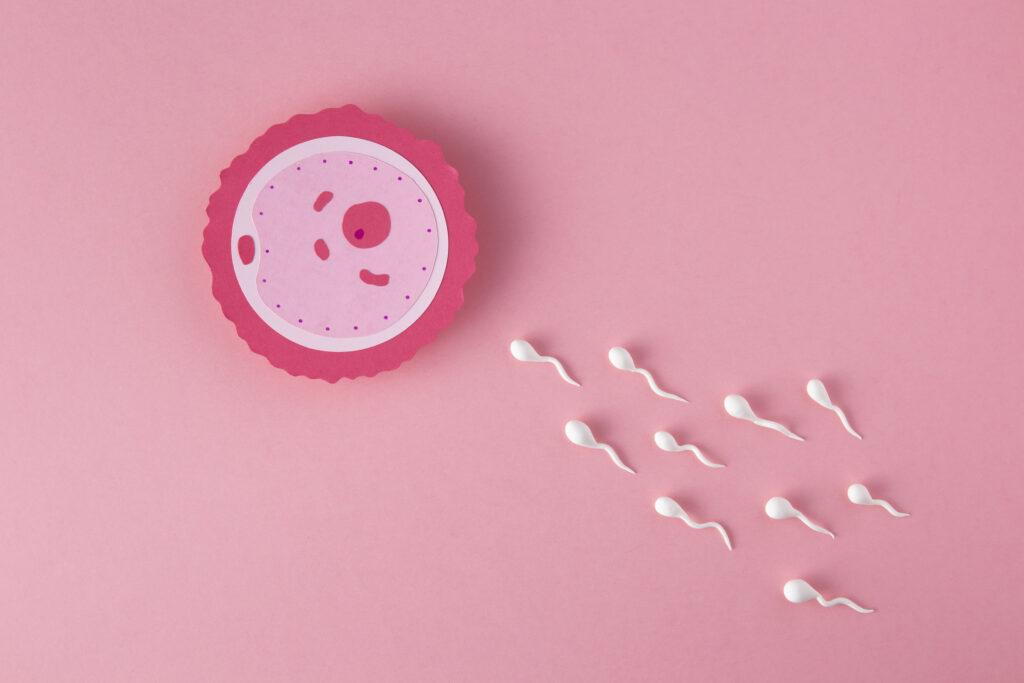
Seven Subtle Ovulation Signs to Start Tracking
As estrogen levels rise during the follicular phase, they trigger noticeable changes in your physical state. These ovulation signs often begin several days before the egg is released, making them perfect indicators for predicting your fertile window in advance.
1. The Change in Cervical Mucus (CM): Your Primary Indicator
The most crucial of all the ovulation signs involves changes in cervical mucus. As your body prepares for the release of an egg, rising estrogen stimulates the cervix to produce increasing amounts of fluid.
- Before the Fertile Window: Mucus is often sticky, dry, or minimal.
- Approaching Ovulation: The mucus transitions, becoming creamier, then watery, and eventually developing the hallmark “egg white” consistency (EWCM). This clear, stretchy, abundant, and slick mucus is nature’s sign that sperm survival and transport conditions are optimal. Tracking this shift daily is essential for recognizing your early ovulation signs.
2. Heightened Sense of Smell
Estrogen is a sensory hormone. Studies suggest that during the peak fertile window, the ability to detect certain odors—particularly male pheromones—increases dramatically. This subtle biological signal sharpens your perception, making you more attuned to your environment. If you suddenly find common household smells or even scents from people around you seem stronger or more potent than usual, this can be one of the less obvious ovulation signs indicating you are entering your fertile phase.
3. Abdominal Heaviness or Mild Bloating
While severe pain is rare, many people report a feeling of fullness, heaviness, or mild bloating in the lower abdomen just before and during ovulation. This is often linked to the rapid hormonal shift and the mild fluid changes happening around the developing follicle. Unlike digestive bloating, this feeling is generally localized to the pelvic region. Pay attention if your waistbands feel slightly tighter mid-cycle; this can be an important part of knowing what are the early signs of ovulation.
4. Noticeable Increase in Libido
Evolution has hardwired a strong, instinctual drive to conceive during the fertile window. The pre-ovulatory surge of estrogen often results in a significant and undeniable increase in sexual desire, flirtatiousness, and general feelings of attractiveness and confidence. This is one of the clearest non-physical ovulation signs. While not a precise predictor, it’s a powerful internal confirmation that your body is biologically ready for conception.
5. Mid-Cycle Pain (Mittelschmerz)
Approximately 20% of people who menstruate experience a distinct pain or twinge known as Mittelschmerz (German for “middle pain”). This sharp, cramping discomfort is felt on one side of the lower abdomen (alternating sides depending on which ovary is releasing the egg).
- Cause: It’s thought to be caused either by the rapid swelling of the ovarian follicle before it bursts, or by the irritation caused by the fluid or blood released during the rupture.
- Duration: Mittelschmerz is usually brief, lasting minutes to a few hours, confirming that ovulation is imminent or occurring right then. It is a very direct, albeit often painful, component of the physical ovulation signs.
6. Cervical Softening and Positioning
A deeper, more intimate way to recognize what are the early signs of ovulation is by tracking your cervix position and texture. This technique requires gentle, consistent self-examination. As fertility peaks, the cervix undergoes noticeable changes: it rises higher into the vaginal canal (making it harder to reach), becomes softer (like your lips rather than your nose), and the os (the opening) opens slightly to accommodate sperm. When the cervix feels high, soft, and open (HSO), it’s a clear indication that your fertile window is at its peak.
7. Basal Body Temperature (BBT) Shift: The Confirmatory Sign
While the six signs above are predictive, the Basal Body Temperature (BBT) shift is the definitive confirmatory sign. BBT is your body’s resting temperature, taken daily before rising.
- The Change: Immediately after ovulation, the corpus luteum begins producing progesterone, which is a thermogenic (heat-producing) hormone.
- Confirmation: This causes a sustained temperature shift—a rise of about 0.5 to 1.0 degrees Fahrenheit (0.2 to 0.5 degrees Celsius) above the previous six days’ average. Seeing this temperature spike confirms that ovulation has just occurred, signifying that your fertile window is closing. For effective tracking, look for this change alongside the other ovulation signs.
Practical Tips for Accurate Natural Cycle Tracking
To harness the power of these ovulation signs effectively, you need a disciplined approach to daily tracking. Consistency is key to identifying your unique hormonal patterns.
Charting Your Data
Keep a detailed chart or use a dedicated fertility app. Record your cervical mucus consistency (dry, sticky, creamy, watery, EWCM), your daily BBT measurement, and any subjective feelings (libido, pain, mood). Look for the convergence of multiple signs—such as EWCM followed by the BBT spike—to confirm your timing.
Measuring BBT Correctly
Always use a specialized Basal Body Thermometer, which measures to two decimal points. Take the temperature immediately upon waking, before talking, getting out of bed, or drinking water. Irregular measuring times or inadequate sleep can mask true ovulation signs.
Combining Methods
The most effective method is the Sympto-Thermal Method, which combines the objective signs (BBT and CM) with subjective signs (Mittelschmerz and libido). This combination provides both predictive cues (CM) and retrospective confirmation (BBT), giving you the highest possible accuracy when monitoring what are the early signs of ovulation.
Conclusion: Empower Yourself Through Awareness
Learning what are the early signs of ovulation is one of the most empowering steps you can take for your reproductive health. It is a process that asks you to slow down, listen intently, and connect with your body’s intrinsic, powerful wisdom.
By diligently tracking these seven subtle, yet critical, ovulation signs—from the texture of your cervical mucus to the slight rise in your BBT—you move away from relying on generic cycle models. You gain accurate, real-time knowledge of your fertile window. Start your tracking journey today and unlock a deeper understanding of your own natural reproductive rhythm, putting you firmly in control of your fertility goals.